Complete Pet Diet & Nutrition Guide

Expert advice on balanced meals, portion control, and nutritional needs for dogs, cats, and small pets. Help your pet thrive from the inside out.

Explore Diet Guides Build a Meal Plan

Essential Diet Information

Tailored nutrition for every pet type and life stage
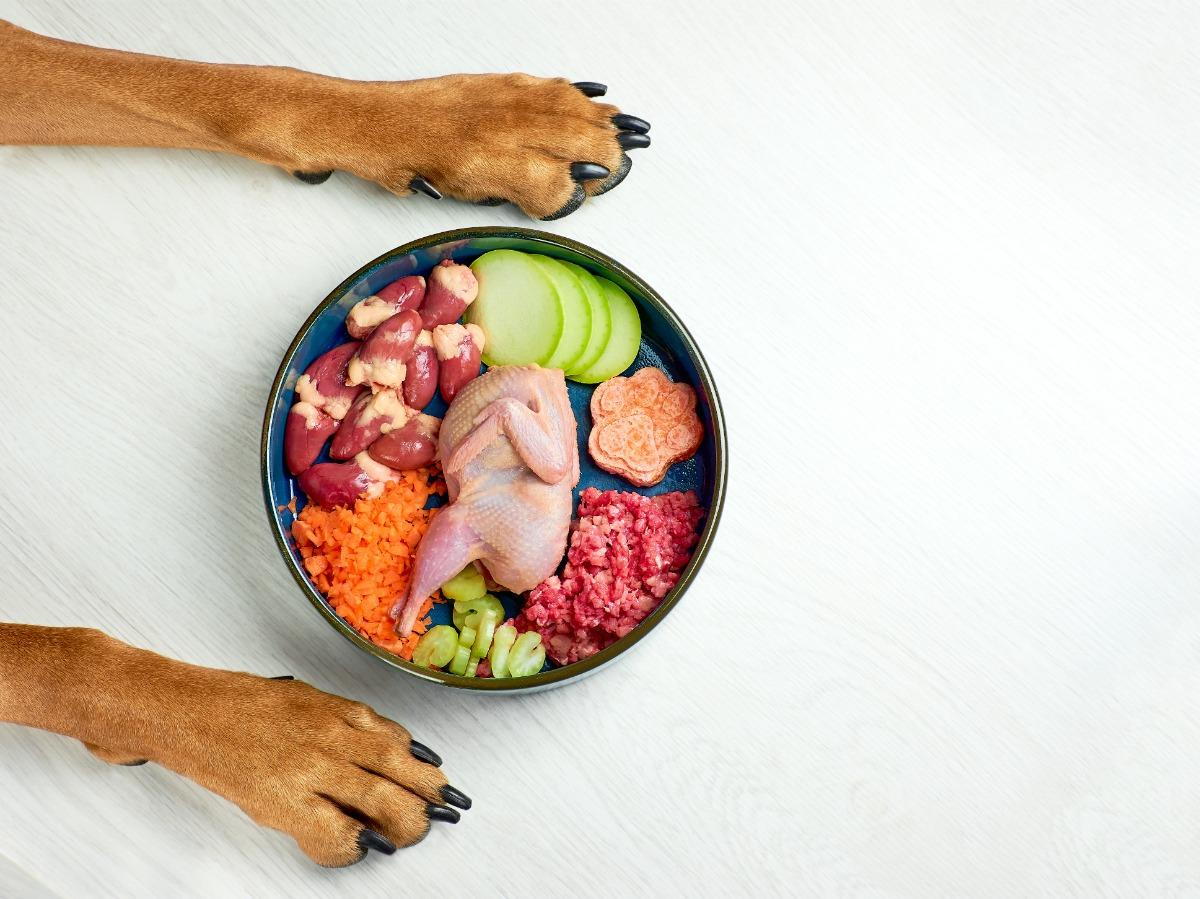
Dog eating
Canine

Dog Nutritional Needs

High-quality animal protein, balanced omega-3s, and essential vitamins. Avoid grapes, xylitol, and raw diets without veterinary guidance. Large breeds need controlled calcium.
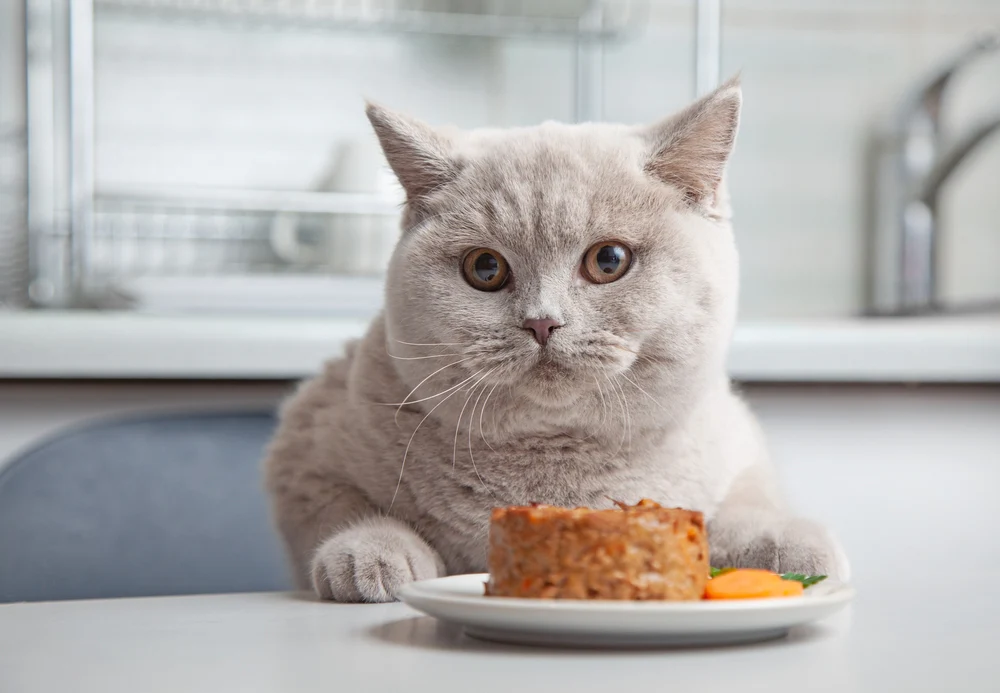
Cat eating
Feline

Obligate Carnivore Requirements

Must have taurine, arachidonic acid, and high protein. Moisture-rich food supports urinary health. Kittens need more calories; seniors benefit from easily digestible proteins.

Rabbit
Small Pets

Rabbits & Guinea Pigs

Unlimited timothy hay, fresh leafy greens, and limited pellets. Guinea pigs require dietary vitamin C. Avoid sugars and seeds.

Puppy and senior
Life Stages

Growth vs. Senior

Puppies need DHA and more calories. Seniors benefit from joint support (glucosamine) and easily digestible proteins with adjusted phosphorus for kidney health.

Sample Meal Plans by Weight

Portion guides for average adult dogs and cats (adjust for activity and metabolism)

Pet TypeWeight (lb)Daily Calories (approx)Dry Food (cups)*Wet Food (cans)*
Dog (inactive)10250-300¾ - 11 small (5.5oz)
Dog (active)30700-9002 - 2½2-3 cans
Dog (active)601200-15003½ - 43-4 cans
Cat (adult)8-10200-250½ - ⅔1.5-2 small cans
Cat (active)12280-300¾ - 12 cans

* Based on average food density (1 cup ≈ 300 kcal; one 5.5oz can ≈ 250 kcal). Always check specific food label.

Special Diets & Allergies

If your pet shows signs of food allergies (itching, chronic ear infections), consider limited-ingredient or hydrolyzed protein diets. Novel proteins like venison or duck may help. Transition foods over 5-7 days to avoid digestive upset.

Healthy Ingredients Checklist

Real meat as first ingredient
Omega-3 fatty acids (fish oil)
Digestible carbs (sweet potato, oats)
Fruits & veggies (blueberries, carrots)
Probiotics / prebiotics
No artificial colors or preservatives

HP Laptops & Printers: What to Know

Always check current models and reviews before purchasing

HP Laptops: Spectre & Envy Series

Premium ultrabooks with sleek designs, vibrant OLED display options, and powerful performance for creative professionals. Known for excellent build quality and long battery life.

HP Laptops: Pavilion & Victus Series

Affordable, reliable options for everyday use and students. The Victus line offers solid entry-level gaming performance without the premium price tag.

HP Printers: LaserJet (Print Only)

Fast, high-volume printing with crisp text, making them the go-to choice for busy home offices and businesses. Known for low cost-per-page with toner.

HP Printers: Envy & Tango (All-in-One)

Versatile wireless printers designed for home use, offering print, scan, copy, and often fax. Features easy mobile setup and optional ink subscription services.

Diet & Nutrition FAQ

Answers to common feeding questions from our experts

Is grain-free food better for my pet?

Not necessarily. Grain-free diets may help pets with confirmed grain allergies (rare). Some grain-free formulas use legumes and have been linked to canine dilated cardiomyopathy (DCM). Consult your vet before choosing grain-free.

How much should I feed a puppy vs. adult?

Puppies need more frequent meals (3-4x/day) and higher calorie density for growth. Follow growth chart on food bag; avoid overfeeding to prevent skeletal issues. At ~12 months (small breeds) or 18-24 months (large breeds), transition to adult maintenance.

Can I mix dry and wet food?

Yes, many owners mix to increase moisture and palatability. Adjust quantities to avoid overfeeding. Ensure both foods are nutritionally complete and balanced.

What human foods are safe for pets?

Plain cooked chicken, carrots, green beans, pumpkin, blueberries (no salt/seasonings). Avoid onions, garlic, grapes, raisins, chocolate, xylitol, macadamia nuts.

How do I switch my pet’s food safely?

Over 5-7 days: Days 1-2: 75% old / 25% new. Days 3-4: 50/50. Days 5-6: 25% old / 75% new. Day 7: 100% new. Monitor for loose stool or vomiting.